

Kota, travertine or marble? Choosing stone for an Indian home
Every stone ages differently in an Indian home. The right choice depends less on how it looks in a showroom and more on how you will live on it.
Words by the Urvania studio3 min read
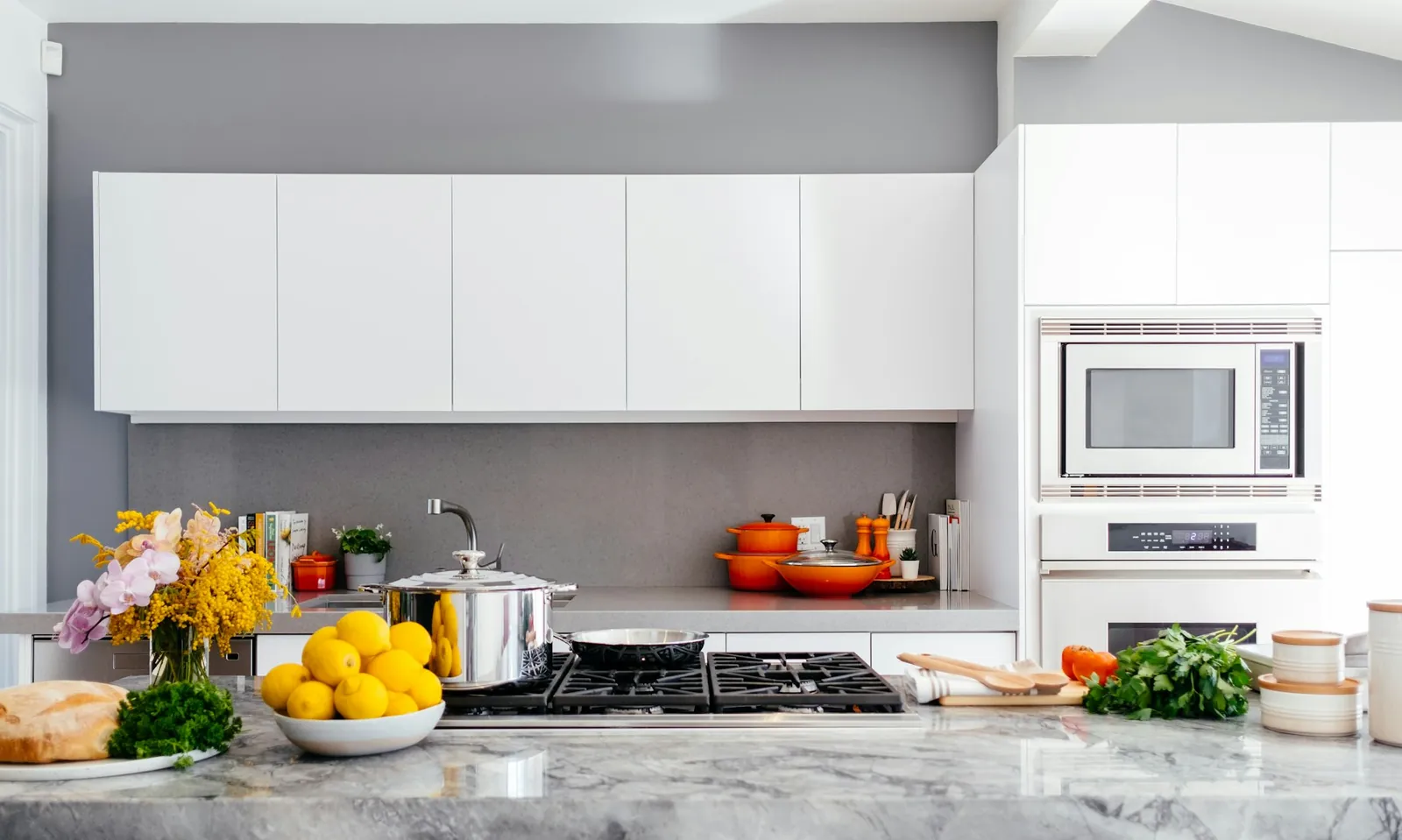
Natural stone is one of the few materials in a home that is genuinely old. It carries millions of years of pressure and mineral history into a floor or a counter, and that is exactly why it behaves so differently from a manufactured tile. Before choosing one, it helps to know how each stone will react to monsoon humidity, everyday spills and decades of footsteps.
Kota stone: the quiet workhorse
Kota is a fine-grained limestone quarried in Rajasthan, with a blue-grey or brown tone that deepens beautifully with use. It is dense, hard-wearing and slip-resistant when honed, which is why it has floored verandahs and courtyards across India for generations. In a contemporary home it reads as calm and architectural — especially in a leather or honed finish rather than a high polish.
Its limitations are aesthetic rather than practical: Kota has little veining or drama, so it suits homes where the walls, joinery and furniture carry the character.
Choose stone for the way it will look in twenty years, not the way it looks under showroom light.
Travertine: warmth with texture
Travertine forms around mineral springs, and its signature pores are the record of gas escaping as it formed. Those pores are usually filled at the factory for interior floors and counters, giving a soft, warm surface that pairs naturally with oak, linen and brass. Unfilled or tumbled travertine makes a beautiful textured wall.
Like all limestones, travertine is softer than granite and sensitive to acids. It is lovely in living rooms, bathrooms and feature walls; in a busy kitchen it needs a good sealer and a relaxed attitude to patina.
Marble: beautiful, and honest about it
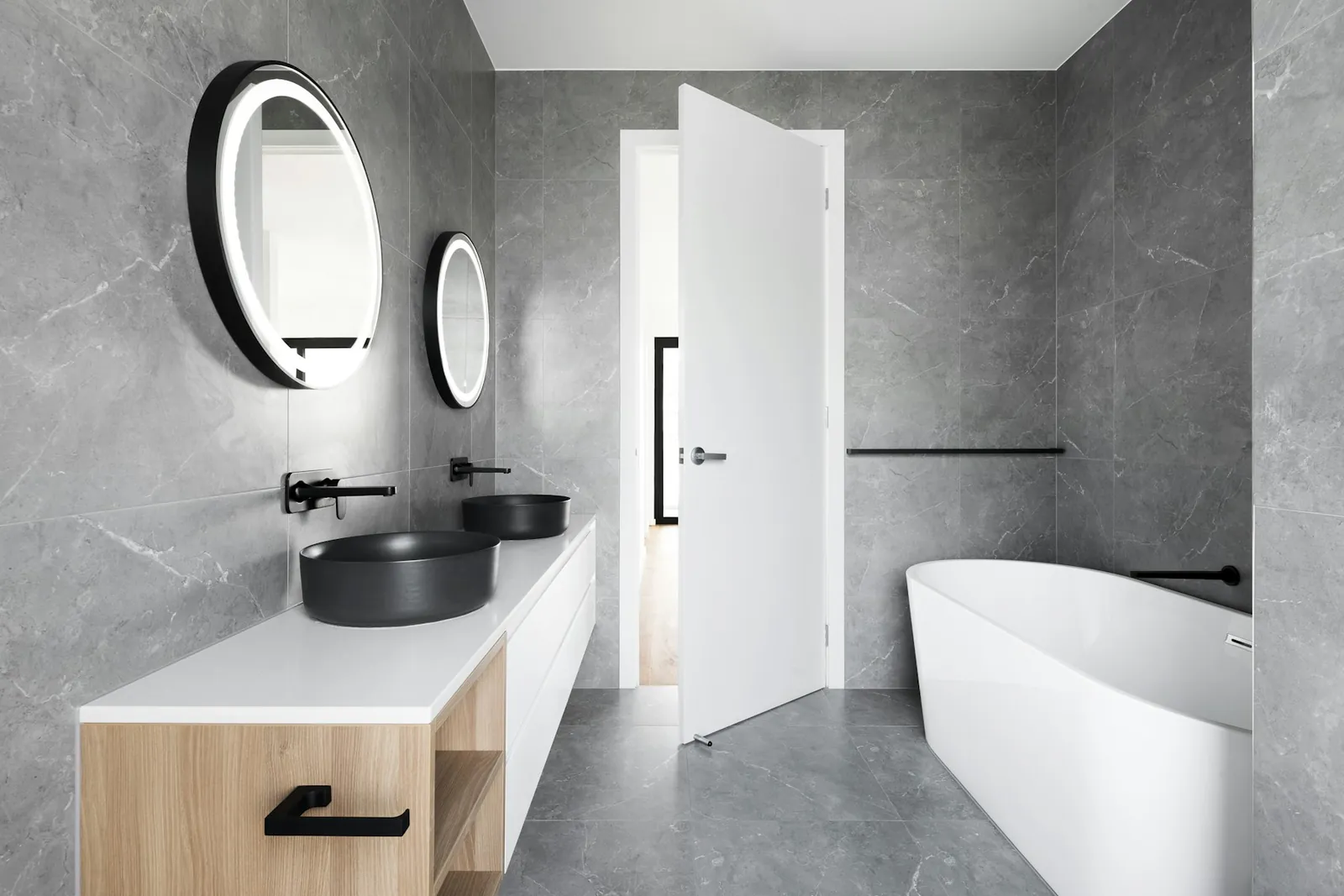
Marble is metamorphosed limestone, and nothing else matches its depth of veining — from the white Makrana marble of Rajasthan to imported Italian varieties. It is also the most sensitive of the three. Lemon juice, vinegar and some cleaners will etch a polished marble surface, leaving a dull mark that a sealer cannot fully prevent.
That does not rule marble out of a kitchen. It means choosing deliberately: a honed finish shows etching far less than a polished one, and many homeowners come to love the soft patina of a well-used marble island. If you want a counter that looks the same in ten years, a quartzite or granite is the more honest choice.

A simple way to decide
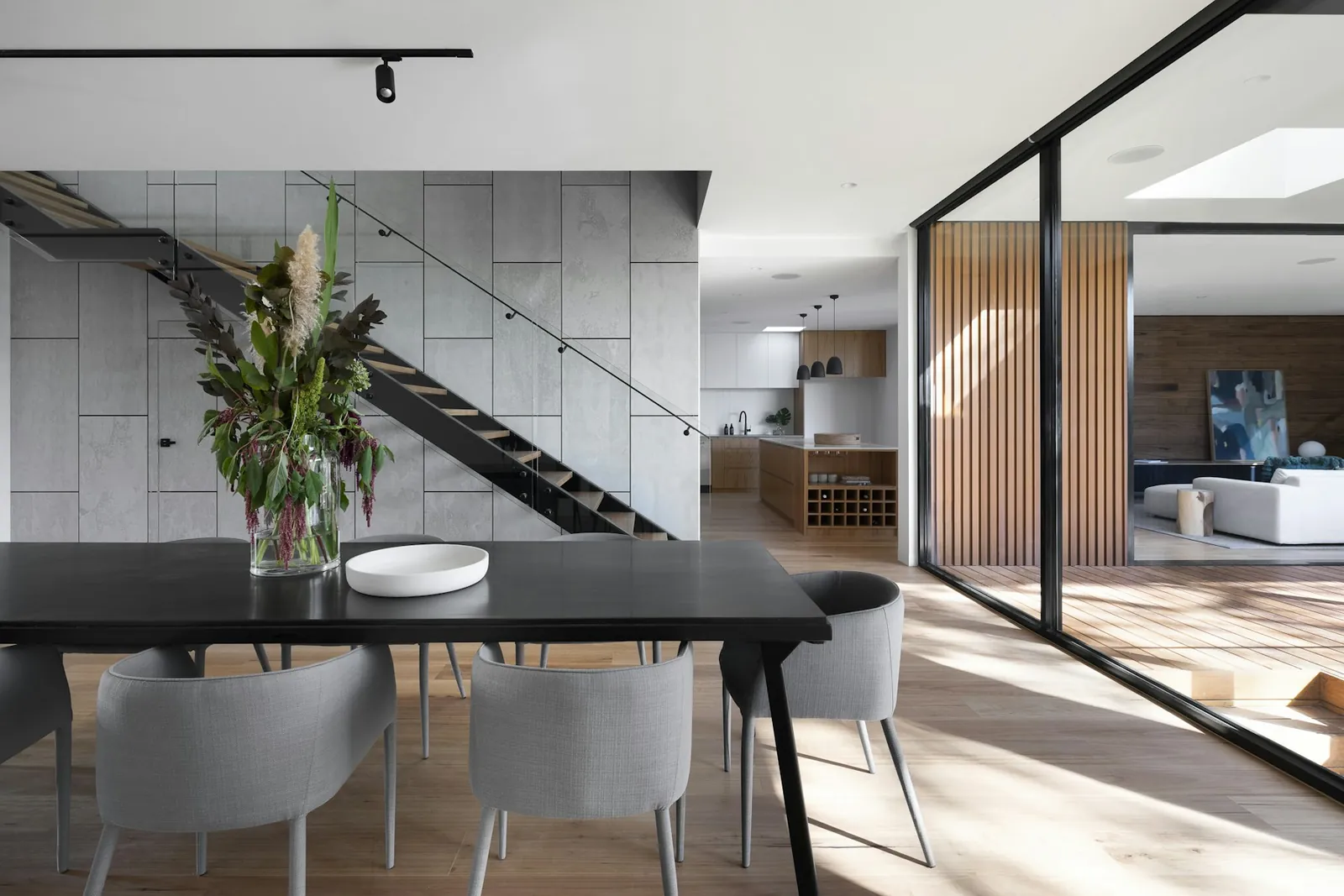
Think room by room. For high-traffic floors and outdoor transitions, Kota or a honed granite. For warm, tactile living spaces and bathrooms, travertine. For a statement island, a feature wall or a powder room, marble — chosen with its patina in mind. And always look at full slabs in daylight before you commit: the sample in your hand is never the whole story.